Fraudsters love a busy primary market. Whenever an IPO captures headlines, criminals create convincing offers that promise guaranteed allotments and quick profits. Many victims believed they were using a genuine Investing App until their withdrawals were blocked. Knowing how these schemes work is the best protection, because the tricks are surprisingly repetitive.
Common Tricks Used by Fraudsters
Most commonly, you’ll receive unsolicited messages on social media or messaging groups from ‘friendly strangers’. These individuals are usually market gurus or women investors. They show you screenshots of large profits and invite you to join an exclusive community. Soon after you’ll be asked to download a trading platform, which looks professional but is not associated with any regulated brokers.
One of the most common scams are guaranteed allocations. Scammers promise you can get discounted shares before they go live or guaranteed allocations for a fee. There is no such thing. Allocations are determined during a transparent process by the registrar and exchanges. No one can guarantee you a share.
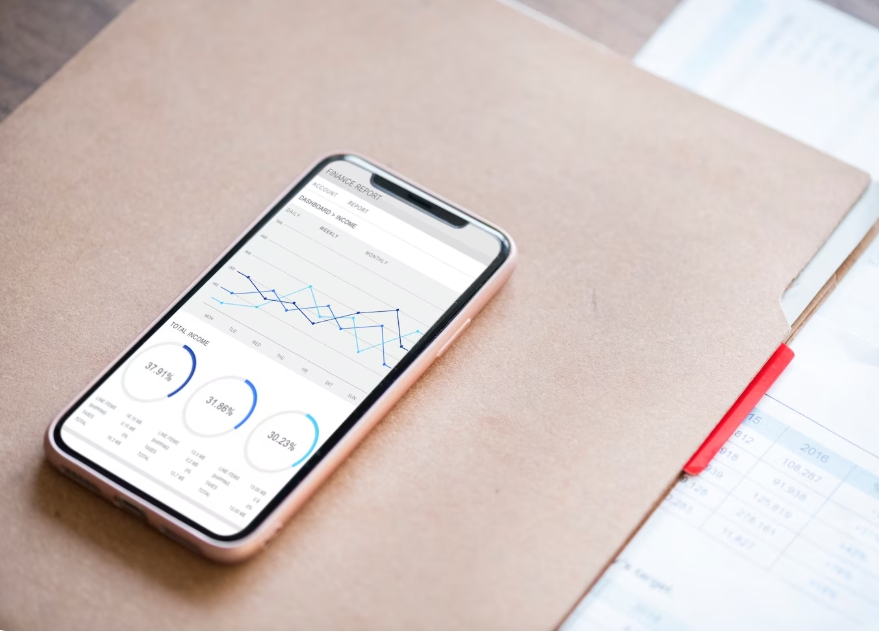
Many fake dashboards can look very realistic. Once you deposit money, you’ll notice that your balance is increasing however, when you try to withdraw, you’ll be asked to pay tax, verification fees or penalties. Every time you pay you’ll be asked to pay more. Real brokers will never ask you to pay a fee to get your money back.
Checking your broker
A few minutes of research can save you years of regret. Ensure that your broker is regulated by SEBI and a member of a recognised stock exchange. SEBI have a search function for all regulated intermediaries and exchanges will have a list of their members. Ensure the name, registration number and contact details match up exactly.
Ensure that your money is going to the brokers official bank account listed on the exchanges website. Not to an individual or unknown company. Ensure that your shares are being held in your name at a depository. Real platforms will never hold your investments in a pool account.
Ensure that any service is not only accessible via a private link or file. Even if it is in the official stores, ensure that the developer name and reviews are good. Just because it looks professional doesn’t mean it is.
General Cyber Security Tips
Never give out one-time passwords, PINs or screen sharing codes. Even if they claim to be from your bank/broker. Have strong passwords and unique passwords. Enable 2 factor authentication where possible.
Update your operating system and apps. Only download software from trusted sources. Avoid using public wi-fi to log into financial accounts. Regularly check your account statements and enable notifications for transactions so you can spot any unusual activity.
If you’re being rushed into something, this is a red flag. Any messages telling you that you need to act quickly as the offer is ending tonight or your account will be frozen are trying to put you under pressure. A real institution will give you time to check and will never rush you into sending money.
What to do if you’ve been scammed
Act quickly. Report to national cybercrime helpline and make a complaint on the official cybercrime website. Contact your bank immediately so they can attempt to freeze the account. Save screenshots, chat history, transaction confirmations and phone numbers.
If the scam was from a registered entity you can also make a complaint to SEBI and the relevant exchange. Be cautious of recovery agents contacting you after the scam and asking for an upfront fee. They are often part of the same network and target those who have already lost out.
Create safe habits
Think of your financial accounts as your home. You wouldn’t give your keys to a stranger so don’t give out your login details or money based on a friendly message. Talk to family members or a trusted adviser if you’re being offered unusual offers. Tell your elders in the house what you’ve learnt as they are often targeted via phone.
The easiest rule to follow is if it sounds too good to be true then it probably is. Take your time to check and you’ll save yourself years of stress.
